
Generator hookups · Greeneville, TN
When a storm knocks out power in Greene County, a portable generator can keep the refrigerator cold and the well pump running. But a generator should never be plugged into a house through a regular outlet or a homemade cord. The safe way is a generator transfer switch, and GPM Electrical installs generator transfer switches and hookups in Greeneville, TN.
We have installed a transfer switch for a Greeneville customer, and this page explains how the equipment works, what we can connect, and what to expect.
A transfer switch isolates your house from the power lines before your generator feeds it. Without one, a generator can send power back out through the lines, which is called backfeed. Backfeed can injure or kill a line worker who thinks a line is dead, and it can damage your generator and your home’s wiring. A transfer switch also lets you power selected circuits straight from the panel, so you are not running extension cords through windows.
For a portable generator, the usual setup has two parts. A transfer switch is installed next to your main panel and connected to the circuits you want to run in an outage. A generator inlet, a weather-rated plug on the outside of the house, gives you a safe place to connect the generator with a proper cord. When the power goes out, you start the generator outside, plug it into the inlet, and switch the chosen circuits over.
Never run a generator in a garage, a basement, a crawl space, or near a window or door. Exhaust has carbon monoxide, which you cannot see or smell, and it can kill. The generator belongs outside and well away from the house.
If you are thinking about a permanently installed standby generator, call us and ask. Whether we take that work is something we want to talk through with you directly, and we will tell you plainly if it is not a fit for us.
A portable generator cannot run everything in your house at once. The practical question is which circuits matter most. Most people choose the refrigerator and freezer, some lights, a well pump if they have one, a furnace blower, and a few outlets for phones and a TV. We help you decide, and we match the transfer switch to your generator’s output so you are not asking it to do more than it can.
One customer wanted a safe way to connect their generator to the house before the next storm. We installed a transfer switch and walked them through how to use it. The customer left a review about the work. That is how most of these jobs go: a short visit, a clear explanation, and a system the homeowner can use without guesswork.
A transfer switch connects to your main electrical system, so it can require a permit and an inspection. Rules vary by city and county, and we confirm what applies to your address before we schedule. We do not cut corners on this part.
Talk to Nick directly
(423) 620-2283Same-day service when the schedule allows. You get the price before any work begins.
How it works
Tell Nick what’s going on. Photos help if you have them.
Many jobs can be priced over the phone. Larger ones may need a quick visit first.
If the job requires an electrical permit and inspection, Nick handles the permit.
We do the work, explain what we found, and clean up after ourselves.
Questions
Straight answers about pricing and how we work. Don’t see your question? Call Nick.
No. That setup, sometimes called a suicide cord, can backfeed the power lines and put line workers and your family at risk. Use a transfer switch or a listed interlock installed correctly.
If you only run extension cords to a few appliances, you may not need one. If you want to power circuits in your house, a transfer switch is the safe way to do it.
A portable generator usually powers selected circuits, not everything. We help you choose the ones you need most.
Many installs are done in a single visit, though it depends on where the panel is and how many circuits you choose. We give you a time estimate when we talk.
We install the transfer switch and the hookup. For a standby generator, call and ask us.
Keep exploring
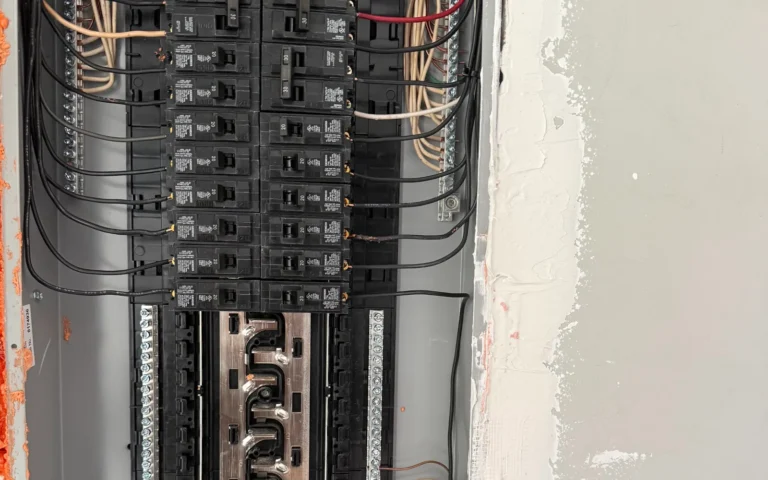
Panel replacements, breaker box swaps and fuse-to-breaker conversions for older homes.
Learn more
Same-day help for outages, storm damage and breakers that won’t stay on.
Learn more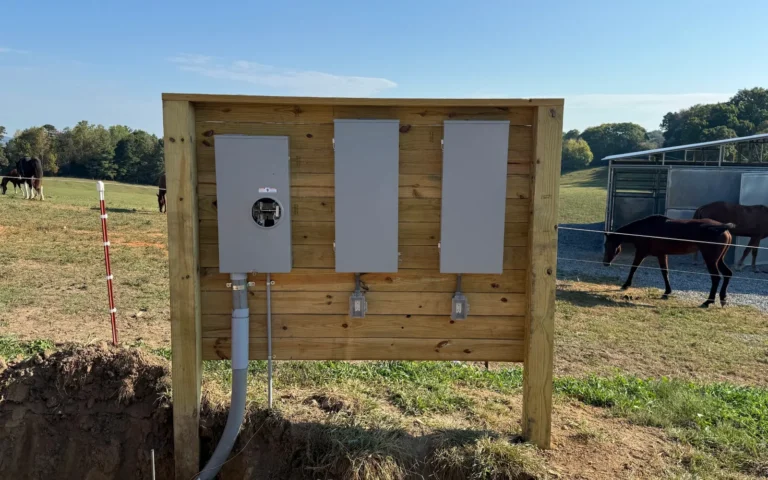
New circuits for detached garages, workshops, porches and additions.
Learn moreRequest an estimate
Want a safe generator hookup before the next storm? Call us and tell us what generator you have.
Tell us about the job and Nick will get back to you.
Prefer to talk? Call (423) 620-2283